We’ve all heard it: Fiber is the future.
Yes, fiber offers incredible speeds and reliability, so there is no argument. But let’s be honest: deploying fiber isn’t always realistic. In many rural and suburban areas, fiber builds are painfully slow, extremely expensive, and often blocked by endless permits, trenching, and regulatory delays.
That’s where Fixed Wireless Access (FWA) is changing the game.
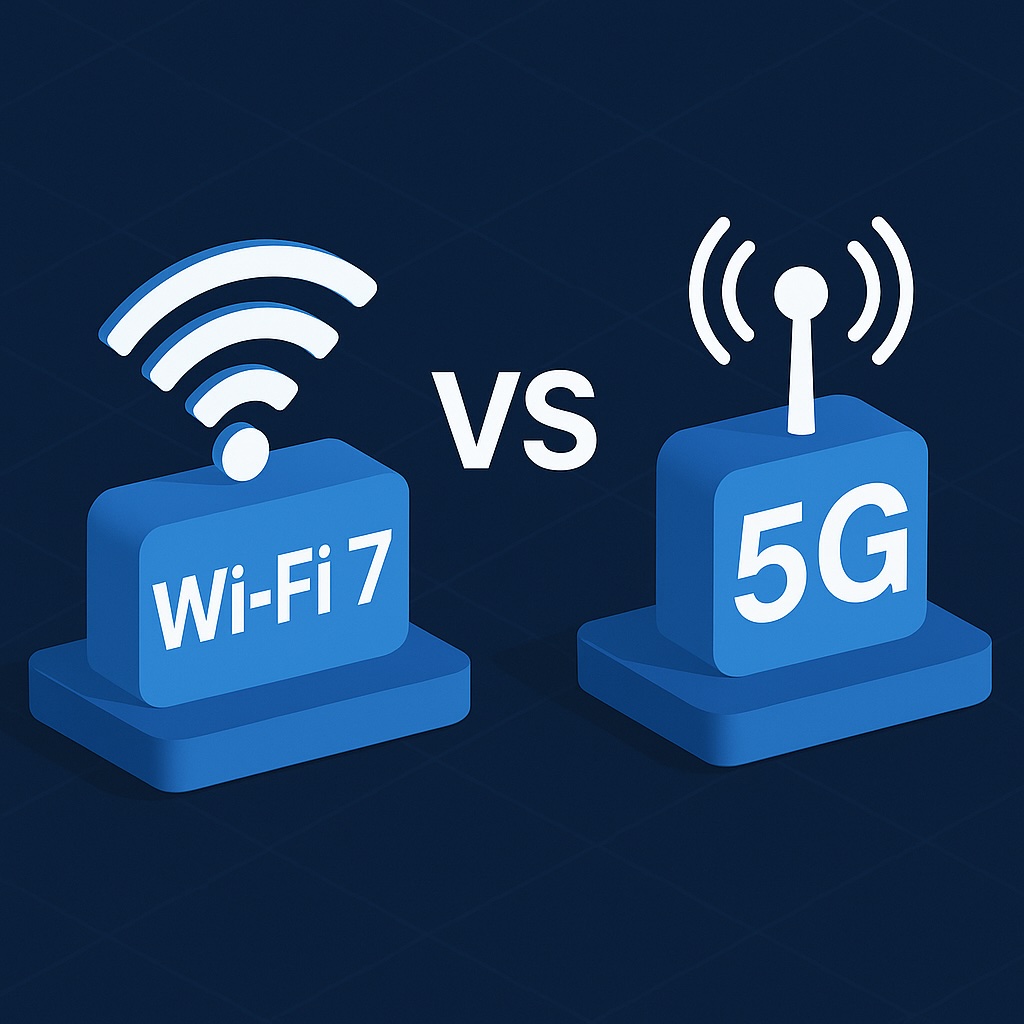
With 5G, CBRS, C-Band, and WiFi 7 making huge strides, FWA is stepping in where fiber struggles. Look at what T-Mobile and Verizon have done, rolling out FWA solutions that are giving real broadband options to consumers stuck in markets long dominated by monopolies and legacy ISPs.
FWA doesn’t require months of construction or millions in investment per neighborhood. In many cases, you can light up entire communities in weeks, not years.
Is fiber still important? Absolutely, especially in dense urban cores and for large enterprise deployments. But for millions of households across the US and globally, FWA is delivering real, affordable, and fast broadband today.
As technology continues to evolve, with WiFi 7 and better spectrum utilization, the performance gap between fiber and FWA is shrinking fast. For many use cases, that “fiber or nothing” mindset no longer applies.
FWA is no longer the backup plan. In many markets, it’s the only plan that makes sense.


 Toufic Kourbeh
Leave a comment